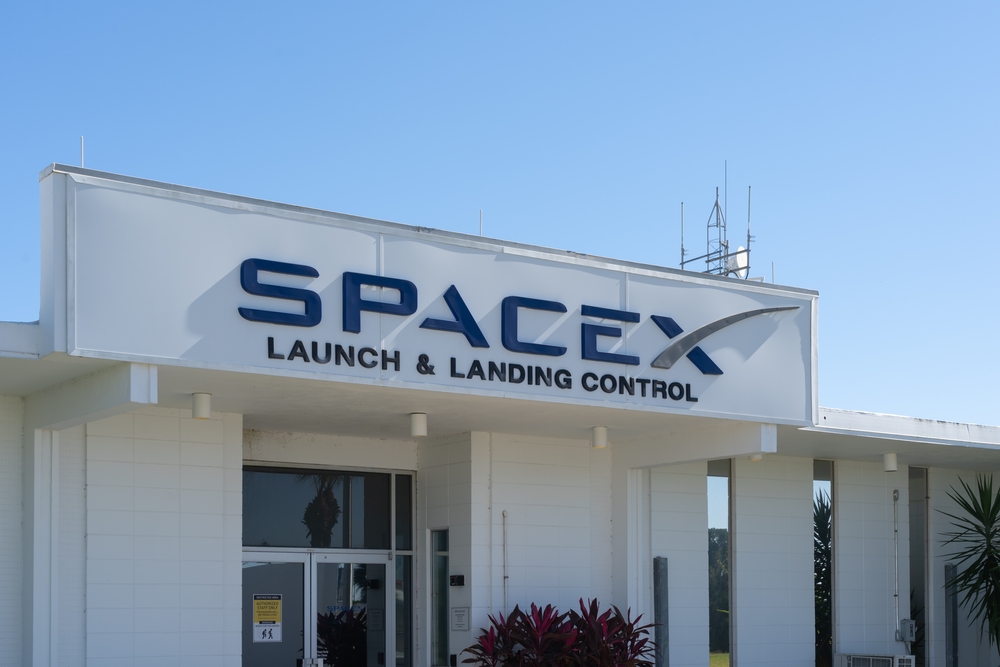


SpaceX is days away from its market debut, and the question everyone is asking is how much the stock will pop and what happens next. The short answer is that no one knows for certain, but there are data points that make an informed estimate possible. Here is what history says about IPO pops at this scale and what early price signals are suggesting.
SpaceX priced its IPO at a fixed $135 per share, eschewing the traditional pricing range, and has raised approximately $75 billion at a valuation of roughly $1.8 trillion. It has also allocated more stock to retail investors than usual, giving the debut a broader and less predictable shareholder base than most large IPOs.
Based on recent IPO history compiled by University of Florida professor Jay Ritter, a first-day gain of 10% to 30% would be considered a normal and healthy outcome. A pop in that range signals the deal was priced reasonably, without leaving too much money on the table or generating excessive volatility that unsettles institutional investors in subsequent sessions.
SpaceX shares were trading at approximately $157 on Hyperliquid, a cryptocurrency platform for perpetual futures contracts, on Tuesday morning. That implies a first-day gain of roughly 16%, comfortably within the normal range. Futures had traded as high as $220 in recent weeks, suggesting some initial enthusiasm has cooled, which most market observers would consider a healthy development ahead of the debut.
The longer-term picture is more cautious. Ritter’s data show that IPOs trading at high price-to-sales ratios tend to underperform their benchmarks over the following three years. SpaceX is priced at approximately 100 times 2025 sales and 40 to 50 times 2026 sales, putting it firmly in the expensive category by that measure. The company has a long history of defying conventional analysis, but history is not on the side of richly valued IPOs sustaining their opening momentum.