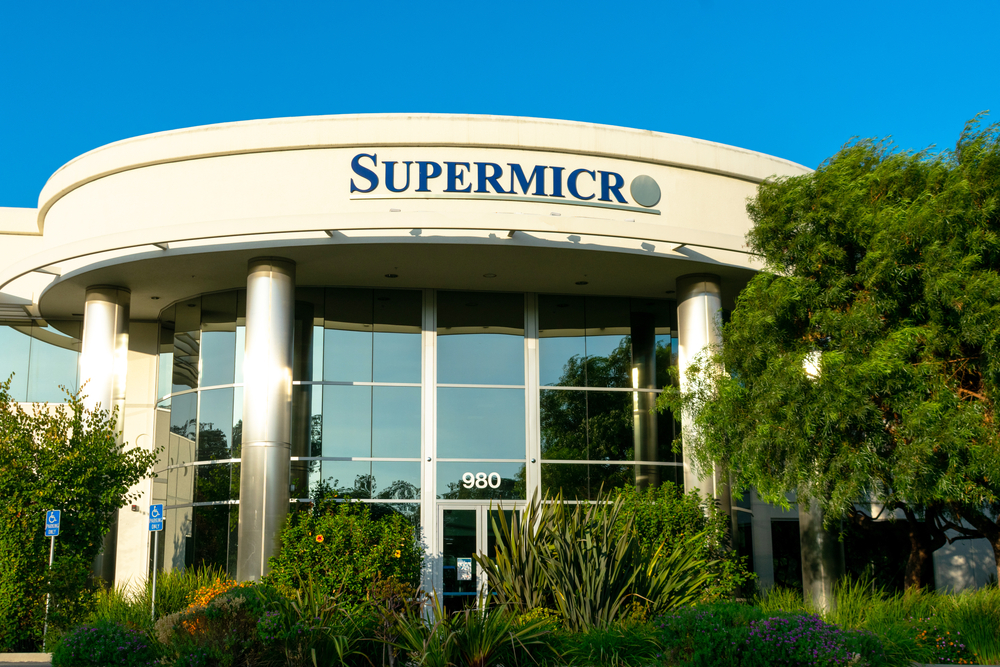


Super Micro Computer shares dropped 8% on Monday to $28.15 after Taiwanese investigators searched the AI server maker’s offices as part of a probe into alleged smuggling of Nvidia chips to China. The stock has now fallen for five days in a row, losing 21% during that time. Meanwhile, Dell shares rose 3.8% on the same day. Analysts say Dell is in a good spot to win over customers who are worried about Super Micro’s legal issues. Here’s what the investigation is about and why Wall Street thinks Dell stands to gain.
According to the Wall Street Journal, Taiwanese prosecutors have charged six people with document forgery and breach of trust but have not named them. This raid comes after a similar action in May, when authorities arrested three people and took 50 servers. At that time, Super Micro said it was working with officials to stop the illegal diversion of its server technology. The company says it is cooperating with authorities in Taiwan and elsewhere to protect its technology and intellectual property. Super Micro did not respond right away to a request for comment.
Super Micro shares have been very volatile. The stock rose 28% in the two days before the recent losing streak, then dropped 21% over the next five days. Before Tuesday’s open, shares were up 2%. In June, the stock has moved more than 4% up or down on 14 out of the first 20 trading days.
Dell stands to benefit the most. One options trader and trading platform founder said Dell is a direct competitor and often picks up business when Super Micro faces problems. A Freedom Capital Markets analyst went further, telling investors that Dell is the best stock to buy for AI data center server exposure, no matter the price. Dell shares are up 229% this year through Monday, while Super Micro shares are down 3.8% over the same period.
This is not Super Micro’s first brush with export control scrutiny. In March, the U.S.This is not the first time Super Micro has faced export control scrutiny. In March, the U.S. government charged co-founder Yih-Shyan Liaw and two others with allegedly planning to send U.S.-assembled servers to China, breaking export control laws. Liaw resigned right away, and the stock dropped 33% that day to $20.53. Although shares bounced back in the following months, Monday’s drop has put the smuggling allegations and uncertainty back in investors’ spotlight.