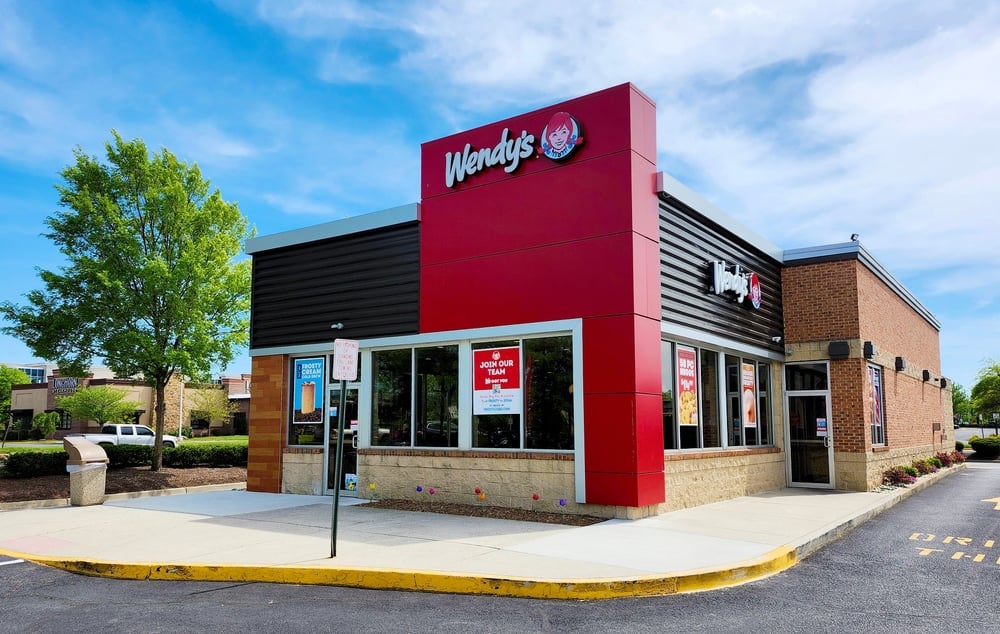


On Friday, Wendy’s withdrew its full-year outlook and reduced its annual dividend. The company pointed to fewer customers and lower profits for franchise owners as the main reasons.
The annual dividend was cut to 28 cents per share, or 7 cents each quarter, down from 14 cents. Wendy’s leadership said they are working on a turnaround plan that will focus on making better use of company funds.
Chief executive Bob Wright, who took over the role in May, said the company has identified five key areas to drive a turnaround, including rebuilding its menu offerings and improving marketing effectiveness. He acknowledged that the business is currently underperforming relative to its potential.
These updates came as Wendy’s reported second-quarter results. U.S. same-restaurant sales fell 7%, leading to a 6.5% drop in total sales. Both numbers were worse than Wall Street expected. The stock dropped 2.6% in premarket trading Friday, after already falling 7.5% on Thursday for unclear reasons.
Even with weak sales, Wendy’s slightly beat earnings expectations. Adjusted earnings were 18 cents per share, compared to the expected 16 cents. Revenue grew 1.7% to $570.6 million, just above Wall Street’s forecast of $557.1 million.
These recent changes highlight growing problems for the fast-food chain. Wright, who was Wendy’s chief operating officer before leaving in 2019 to lead Potbelly, became CEO in May after a long search. Wendy’s first mentioned a turnaround plan in late 2025, promising to close about 300 underperforming U.S. locations. By the end of the first quarter, the company had closed a net 174 restaurants as part of this effort.
Wendy’s has also been under steady pressure from activist investor Nelson Peltz. In February, he said in a securities filing that he thinks the stock is undervalued. Peltz’s firm, Trian Partners, first invested in Wendy’s in 2005 and has pushed for big changes before, like spinning off Tim Hortons as its own company. In 2008, a holding company led by Peltz bought Wendy’s in an all-stock deal worth $2.34 billion and later took the Wendy’s name.
Together, Peltz and Trian now own more than 24% of Wendy’s, making them the largest shareholder. Peltz owns about 16% personally, and Trian holds around 7.9%. Peltz has said he is talking with Wendy’s leaders and other shareholders about possible deals to increase shareholder value, and he may buy even more shares.